|
|
|
Issue No. 004 | Friday, May 22, 2026
|
|
|
Was this forwarded to you?
Subscribe free →
|
|
Today's Clock-In
This week's clearest manufacturing story is not coming from semis, aerospace, or power equipment. It is coming from grocery. H-E-B says it will spend $700 million to turn its San Antonio supply-chain campus into an integrated regional factory system built around perishables. Plus: Lilly turns drug demand into plant architecture, Coca-Cola Consolidated bets on glass, and Royal Enfield plants an ecosystem in Andhra Pradesh.
|
|
Quick Hits
New week. New companies. No reruns.
|
|
Lead Story
H-E-B's $700 million East Side bet says the next grocery moat is a factory problem
A bakery, a refrigerated warehouse, a transportation building, and a manufacturing-plant expansion — on one campus.
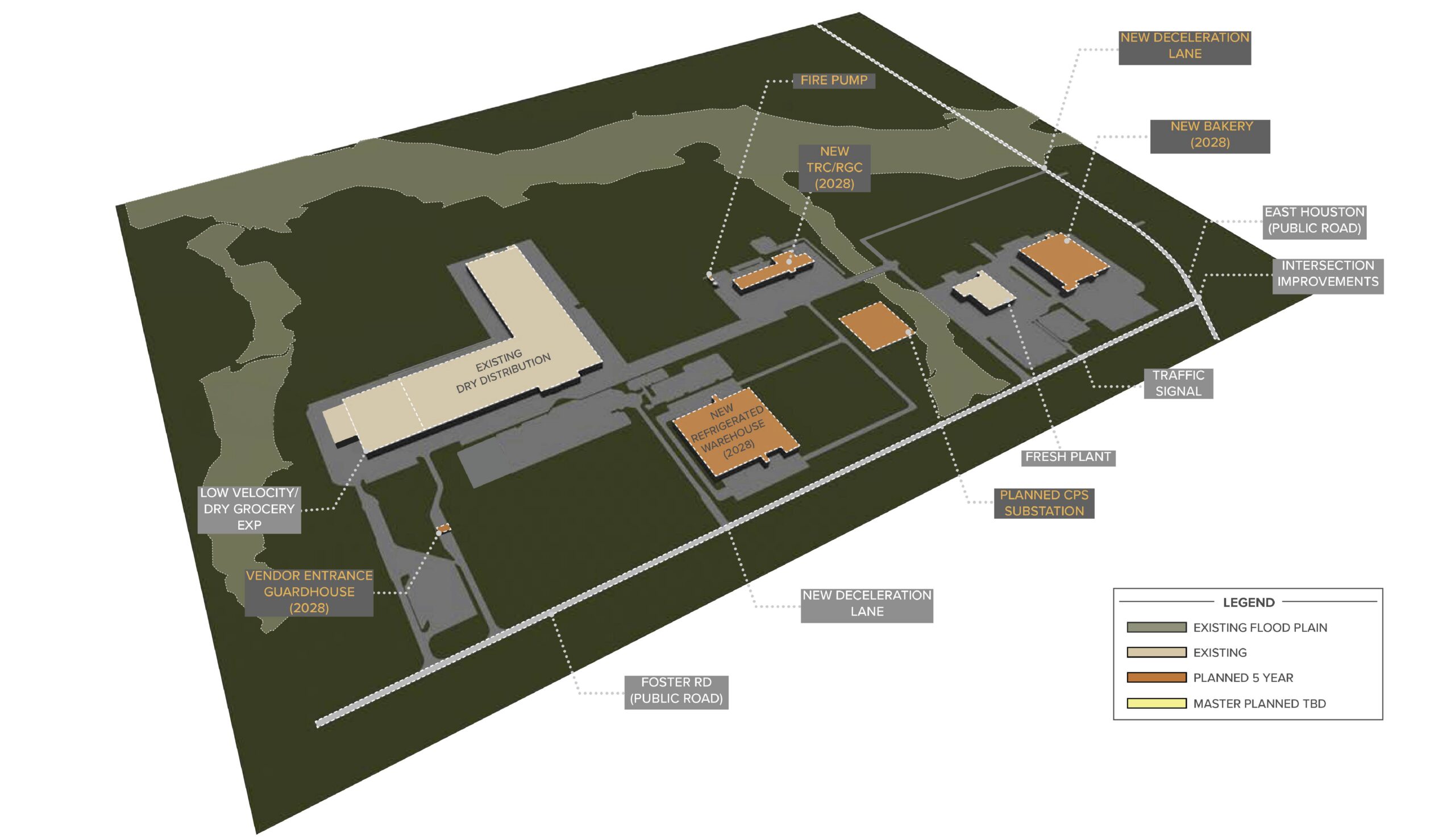
H-E-B says it plans to invest $700 million to expand supply-chain operations on San Antonio's East Side, with preliminary plans for a state-of-the-art bakery, a refrigerated warehouse, a transportation building, added facilities, and an expansion of its existing manufacturing plant at the Foster Road campus. The company calls it the largest investment in its manufacturing and supply-chain division. That matters because it reframes what a regional grocery leader actually is: not just a retailer with good stores, but a localized production-and-replenishment machine.
The interesting part is the mix. A bakery is manufacturing. A refrigerated warehouse is process discipline plus inventory physics. A transportation building is dispatch and route density. Put them together and this stops looking like a warehouse story and starts looking like an integrated regional factory system built around perishables, private label, and fast turns. In categories where freshness, spoilage, and shelf availability decide margin, the company that can bake, chill, stage, and move product inside one geography can build an advantage that a national network cannot easily fake.
|
Planned capex
$700M
Foster Road campus
|
|
Labor ramp
720 jobs
by 2028; 1,200+ over the decade
|
|
Installed base
$445M
already invested; ~1,400 workers
|
The labor and incentive details make the point sharper. H-E-B says the project would create 720 jobs by 2028 and more than 1,200 new full-time positions over the next decade. The company has already invested more than $445 million at the Foster Road site, where roughly 1,400 people already work, and Bexar County is weighing an incentive package tied to the project. If it proceeds as planned, total investment at the campus would surpass $1 billion and headcount would climb to about 2,600. That is exactly how a real manufacturing node behaves: big fixed assets, a long workforce ramp, and local negotiations over the economics of staying close to demand.
The broader takeaway is simple. Manufacturing is not always announced as "a factory." Sometimes it arrives wearing a grocery logo. What H-E-B is really building is regionalized perishables capacity — the ability to produce, buffer, and move higher-velocity food products inside a dense market fast enough to matter. In a decade when more products are being regionalized for resilience and speed, that may be one of the most important factory stories in retail.
Sources:
H-E-B Newsroom,
San Antonio Report,
KSAT.
|
|
How It Works
How a glass bottle gets made
A glass bottle line is really a temperature-control system with a packaging product at the end.
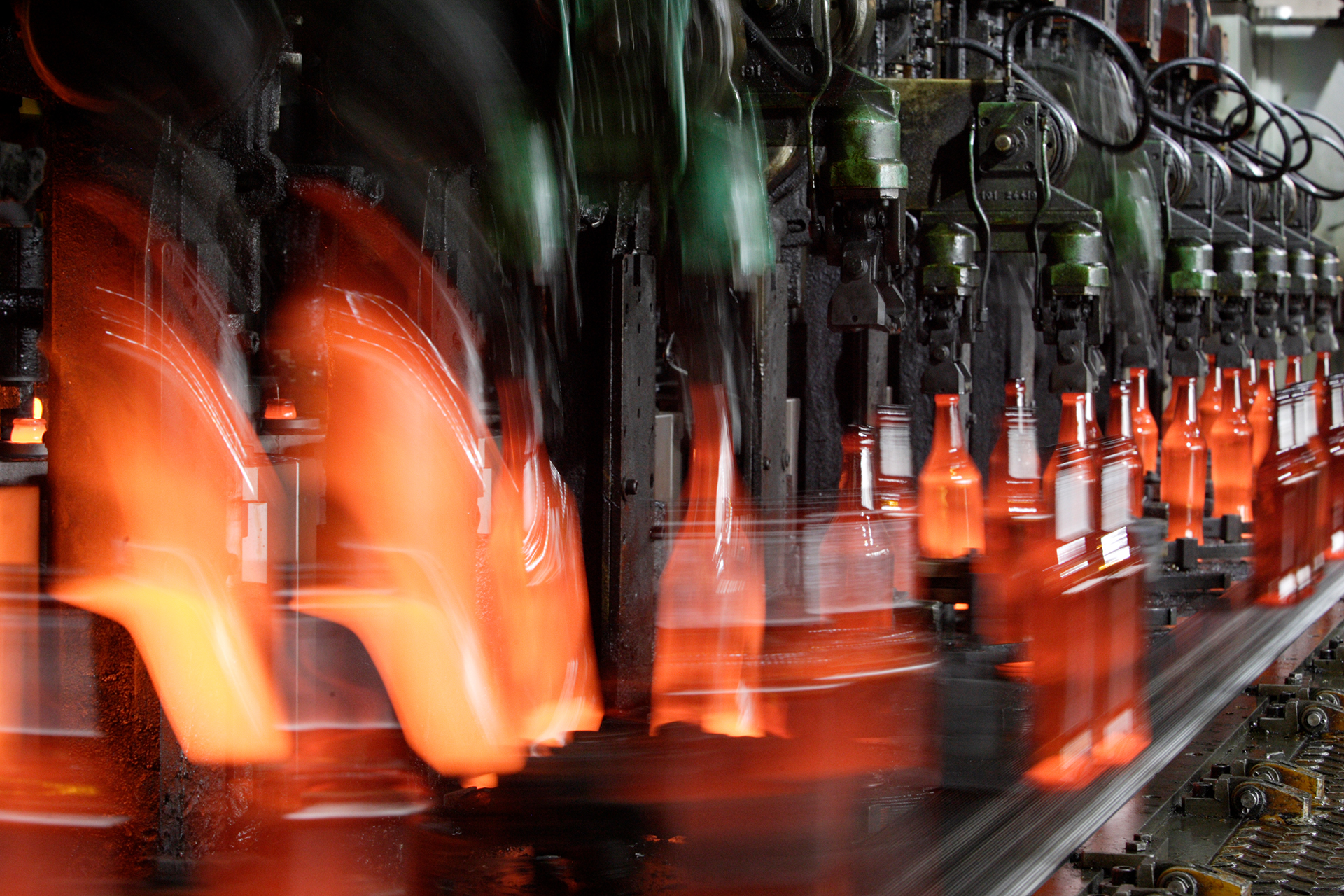
- Batch the raw materials. Silica sand, soda ash, limestone, and cullet — recycled glass — are weighed and mixed, then sent to the furnace.
- Melt it. O-I heats the furnace to roughly 1550°C, turning the batch into molten glass.
- Condition and cut. The melt is brought to a uniform temperature, then cut into measured gobs, each sized for a specific container.
- Form in molds. The gobs drop into forming machines, where molds shape them into bottles.
- Anneal in a lehr. A freshly formed bottle still carries internal stress from the heat shock of shaping, so it is reheated and then cooled gradually in the annealing lehr.
- Inspect, pack, ship. Every container goes through rigorous inspection; rejects are sent back to be re-melted, and good containers are packed for shipment.
|
The manufacturing lesson
The lesson is useful well beyond glass: high throughput only works when heat, timing, and inspection stay in lockstep. Skip the annealing discipline and the product carries hidden stress straight to the customer.
|
Source:
O-I Glass Making Process.
|
|
World Watch
Royal Enfield is not just adding a plant — it is planting an ecosystem
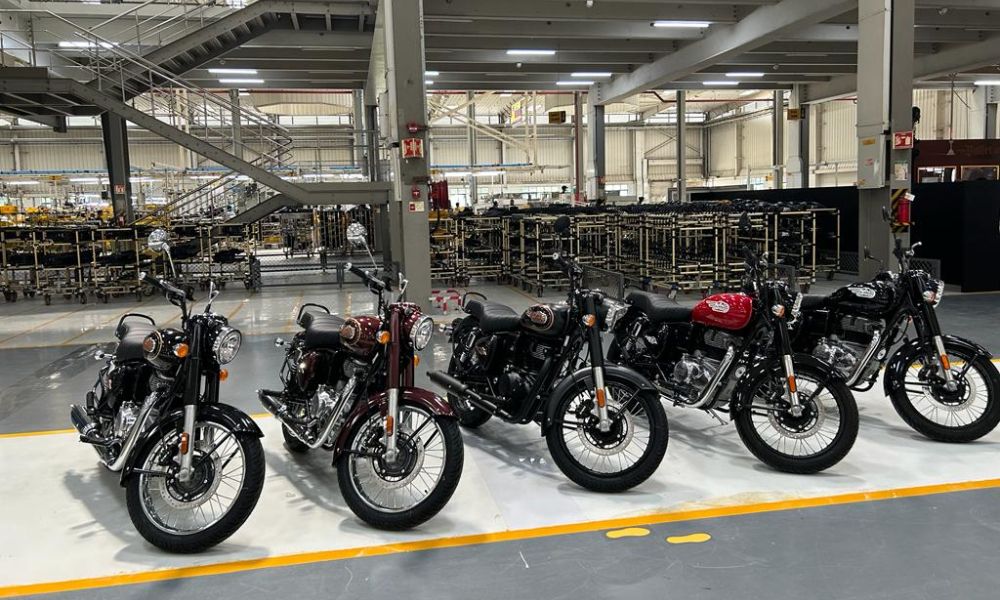
Royal Enfield plans to invest about 22 billion rupees — roughly $232 million — in a new Andhra Pradesh manufacturing plant, with the project set to roll out in two phases through 2032 and add about 900,000 units of annual capacity, according to Reuters.
What makes the story more interesting is the local reporting from Vijayawada: the Satyavedu project is being framed not as a simple assembly site, but as an integrated hub with a vendor park, testing track, and R&D center.
For manufacturers, that is the real tell. The highest-value new plants increasingly arrive with a supplier orbit attached — and the smarter question is not only who wins the line, but who wins the ecosystem around it.
Sources:
Reuters,
Deccan Chronicle.
|
|
Suggested Reading
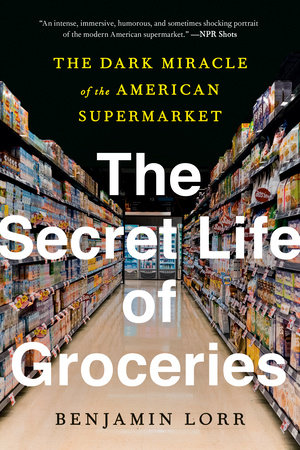
The Secret Life of Groceries, Benjamin Lorr
The Secret Life of Groceries by Benjamin Lorr is the right companion for a week centered on H-E-B. The book pulls apart the supermarket as an industrial system — warehouses, trucking, shelf-space economics, labor, supplier power, and the hidden cost of convenience — which is exactly the context that makes a bakery-and-cold-chain expansion legible as a manufacturing story rather than just a retail one.
It is one of the better long-form explanations of how products actually move from plant logic to shelf logic.
Source:
Penguin Random House.
|
|
Last Pull
The recurring pattern this week is not glamorous technology. It is throughput. H-E-B is building faster food capacity, Lilly is turning drug demand into plant architecture, Coca-Cola Consolidated is betting on glass, and Stellantis is trying to make idle factory time economically productive again. Different sectors, same rule: margin increasingly belongs to the operator that can turn geography, process discipline, and utilization into something rivals cannot easily outsource.
|
Reply with one line
What capability is your industry quietly turning into a manufacturing problem?
|
Forward this to a colleague who lives on the floor. They can subscribe at manufacturingmonitor.com.
|
|